The Sohrai Festival is an important cultural celebration in Jharkhand, with roots tracing back to ancient times. It is widely celebrated as a major festival, especially in rural areas where traditions are still deeply preserved. The festival is observed on the day following Diwali and reflects a strong connection between humans, nature, and livestock.

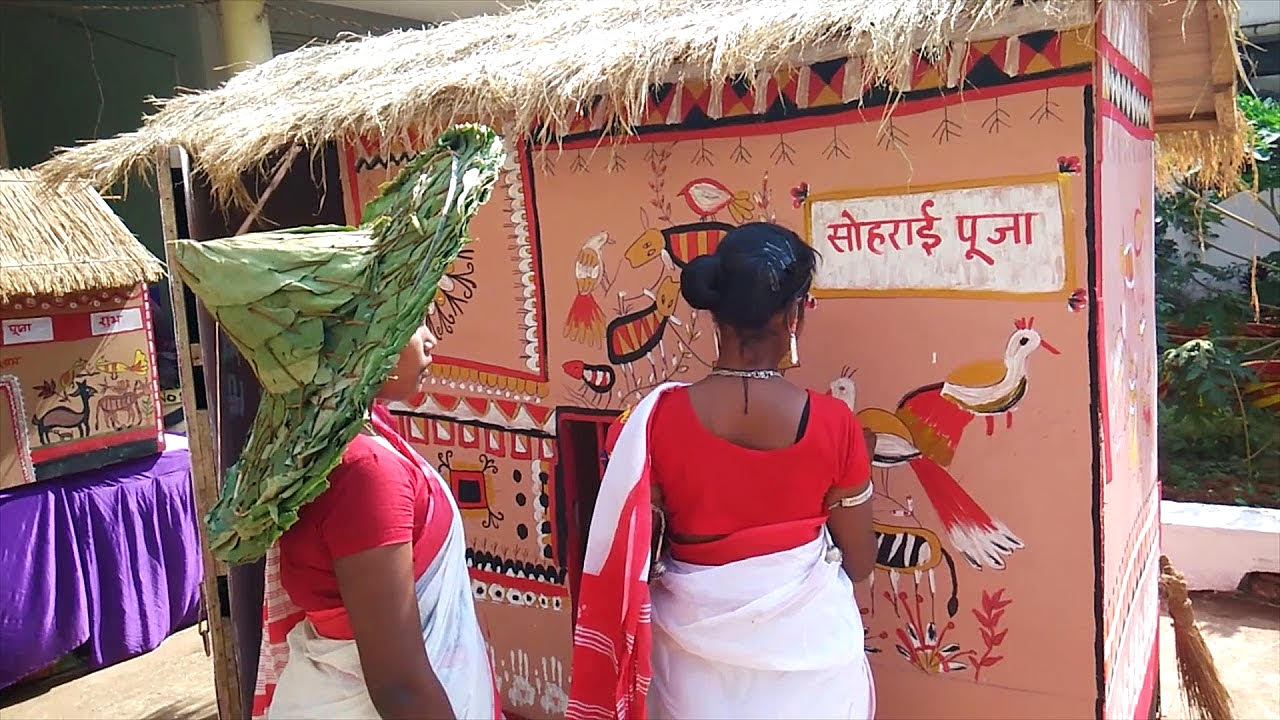
An Adivasi woman making a Sohrai painting on a wall (Photo courtesy: Jharkhand RMSA YouTube channel)
A Tradition Preserved by Rural Women
One of the most unique aspects of Sohrai is the role of rural women, who continue to keep this tradition alive. They decorate the mud walls of their homes with intricate and beautiful paintings, showcasing their artistic skills and cultural pride.
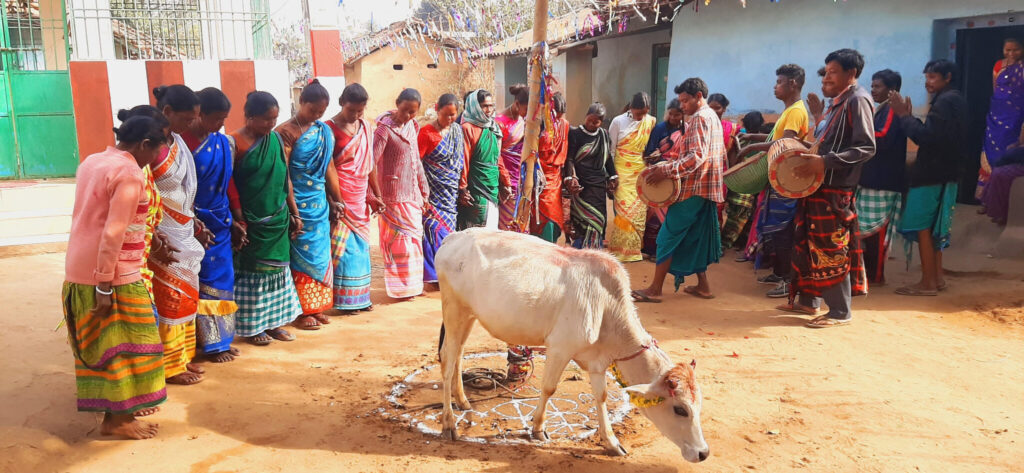
Adivasi dancing in a group during Sohrai (Photo courtesy: TheNewsPost.in)
Art Inspired by Nature
The wall paintings created during Sohrai mainly depict:
• Trees and plants
• Animals and birds
• Various forms of natural and rural life
These artworks highlight the close relationship between humans and the natural world.
Ancient Origins of Sohrai Art
The tradition of Sohrai painting is extremely ancient. Similar artworks have been discovered in the caves of Hazaribagh and Barkagaon. These paintings, created on stone surfaces centuries ago, still exist today and reflect the richness and continuity of this art form.
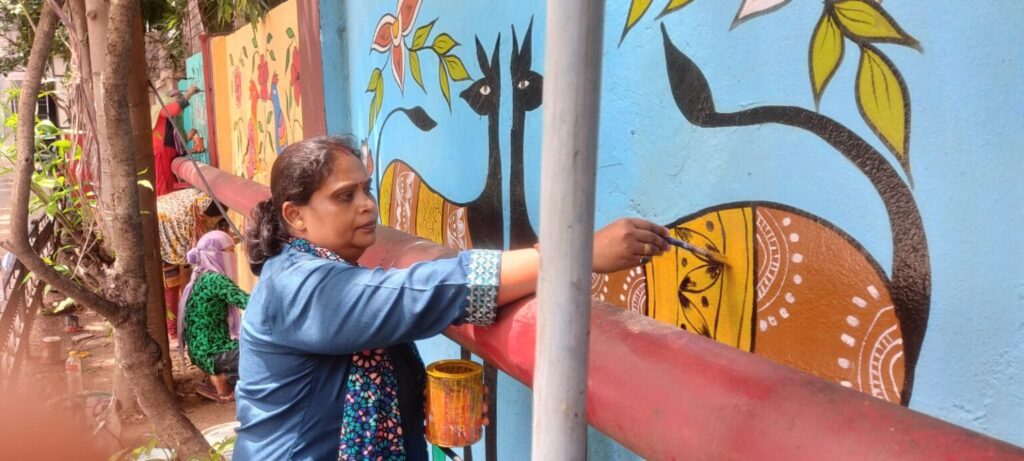
Jayshree Devi Indwar: Redefining Tribal Art as a Tool for Social Change
Message of Harmony and Equality
The paintings emphasize the presence of nature and living beings, conveying a powerful message — that all forms of life on Earth have an equal right to exist. Sohrai art symbolizes:
• Brotherhood and unity
• Coexistence of all living beings
• Harmony with nature
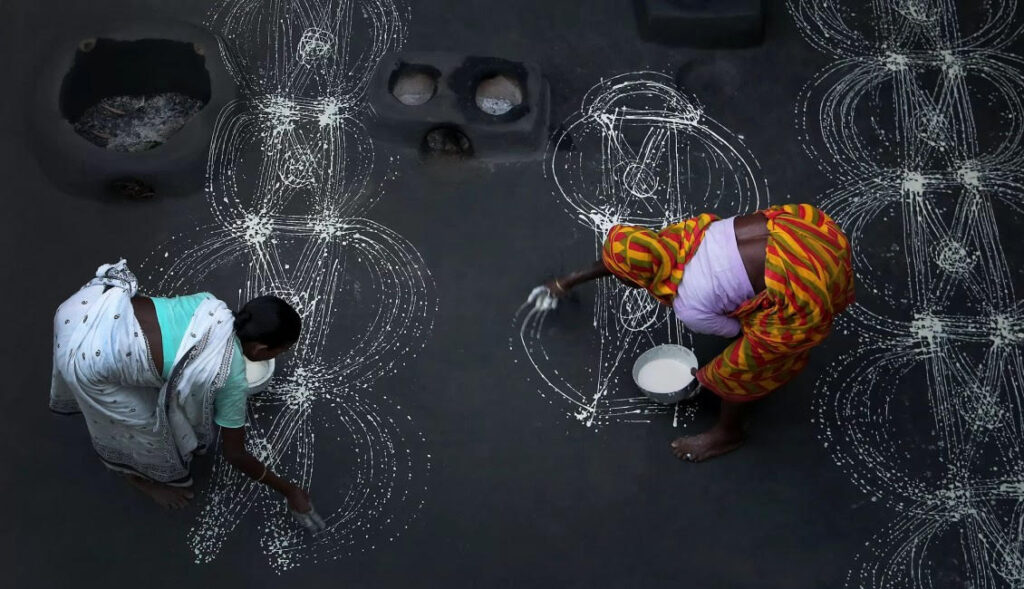
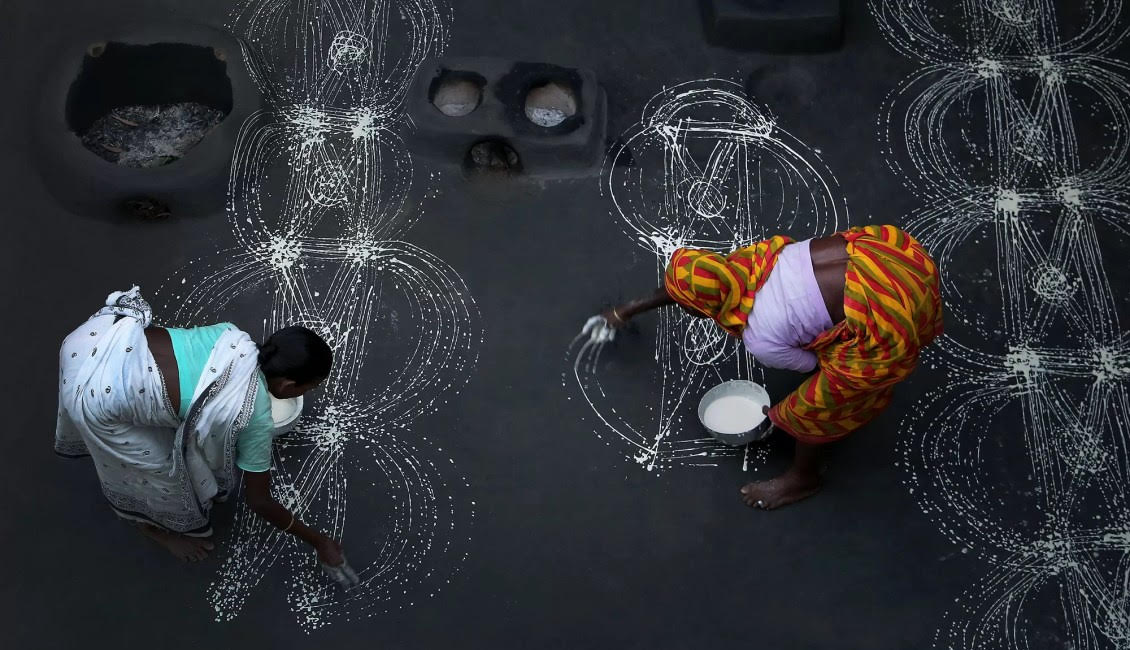
Adivasi women making paintings on floor with rice gruel (Photo courtesy: Barun Rajgaria/TribalDesignForum.com)
Eco-Friendly Artistic Practices
Traditionally, these paintings were created using natural materials such as:
• Clay (mud)
• Charcoal
• Leaves and plant extracts
This highlights the sustainable and eco-conscious lifestyle of the tribal communities.
Efforts to Enhance Livelihood of Artists
The transformation of mud houses into plastered houses was leading to the disappearance of Sohrai. The efforts of a number of activists have helped in saving the Sohrai paintings and in improving the socio-economic conditions of the artists.
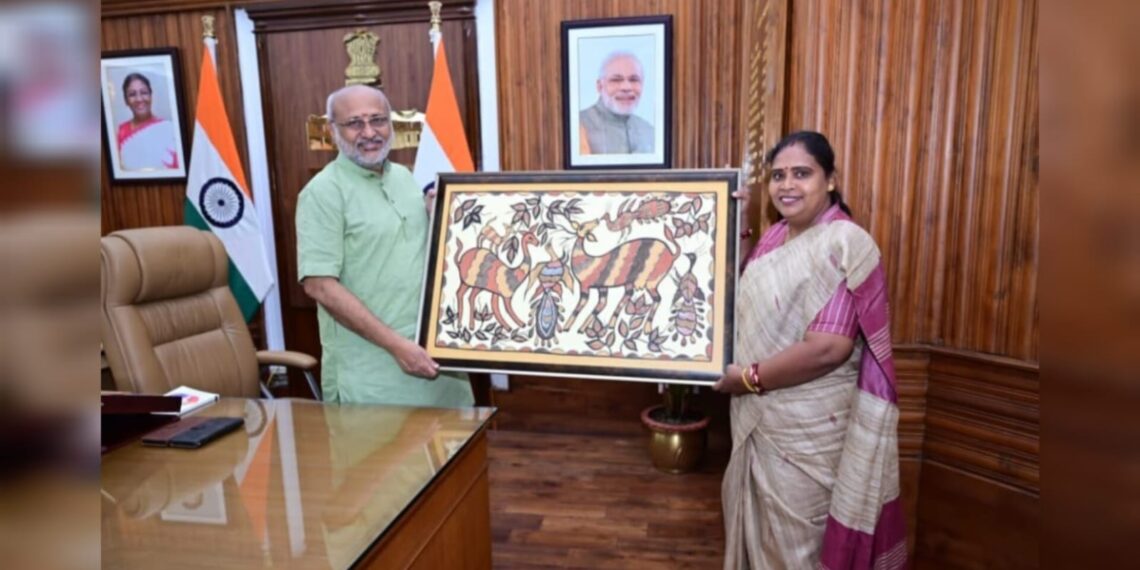
Jayshree Indwar is another name when it comes to the propagation of Sohrai art. Her efforts have set an example of how a traditional art form could become a symbol of women empowerment.
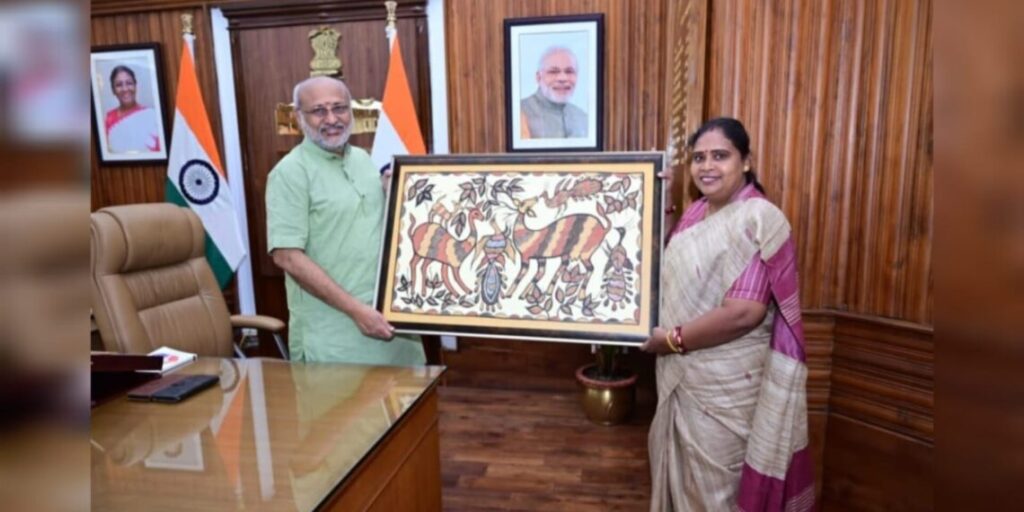
Ms. Indwar has organised various exhibitions to promote the Sohrai paintings. Her workshops have trained hundreds of women from different districts of Jharkhand in this art. She and her team have played an important role in the beautification of the capital city Ranchi. She has been honoured by the Ministry of Railways, the Governor and the Tribal Association for her contribution.
The Sohrai Festival is not just a celebration but a reflection of Jharkhand’s rich cultural identity and ancient artistic traditions. It continues to inspire a way of life that respects nature, promotes harmony, and preserves heritage through generations.