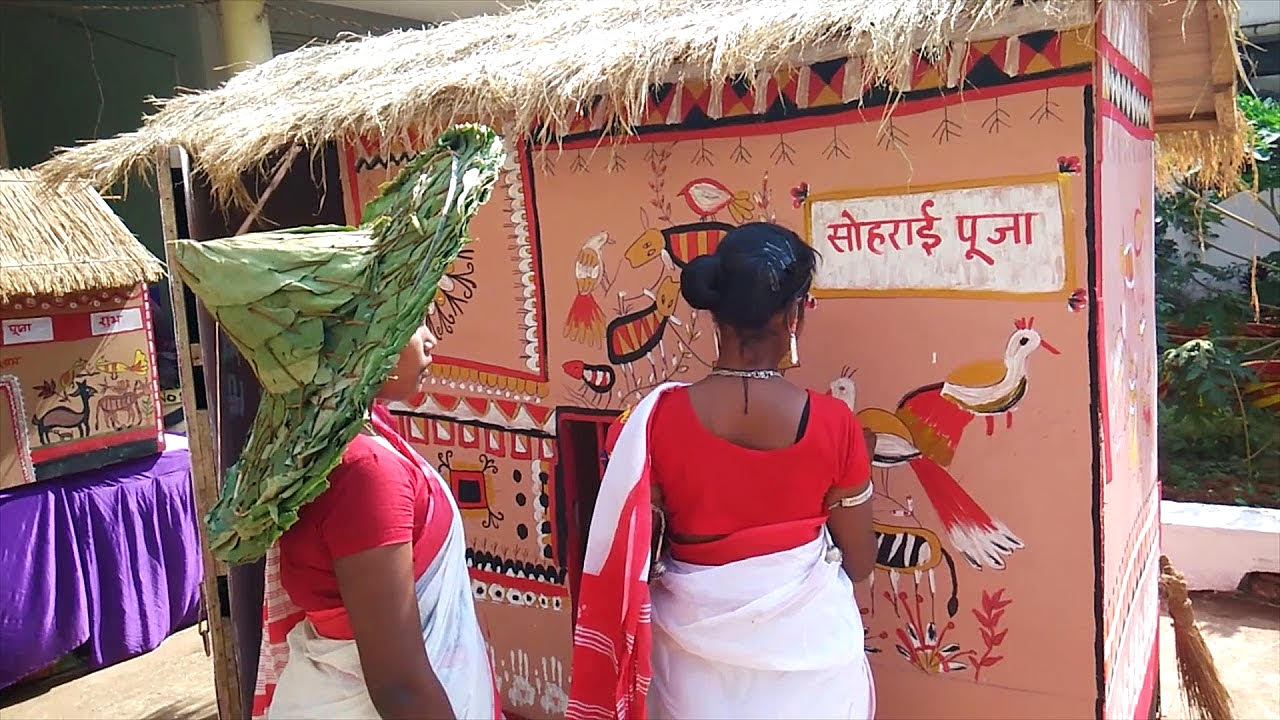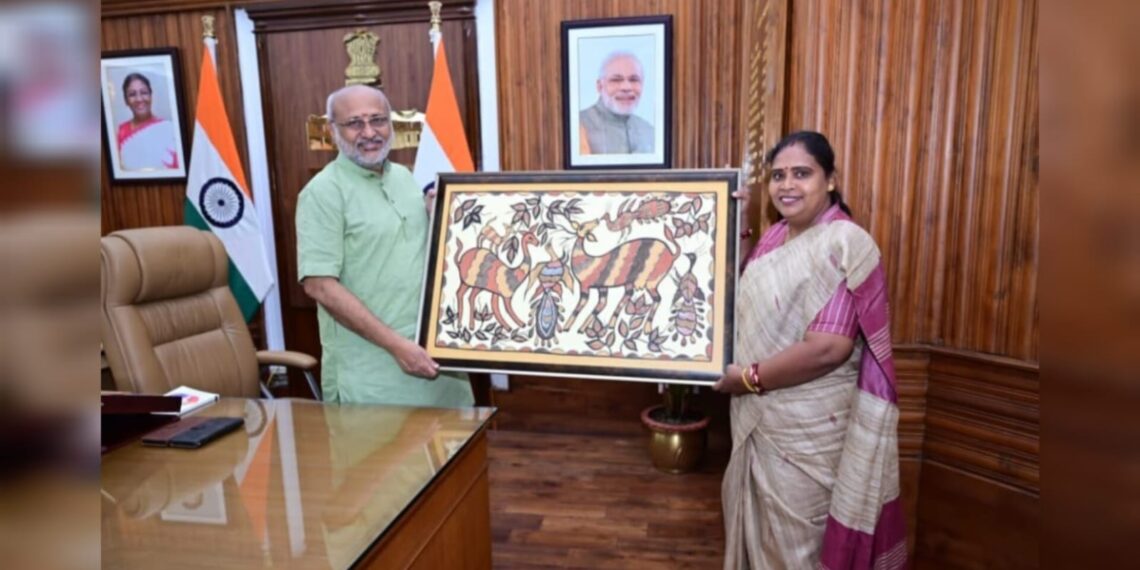
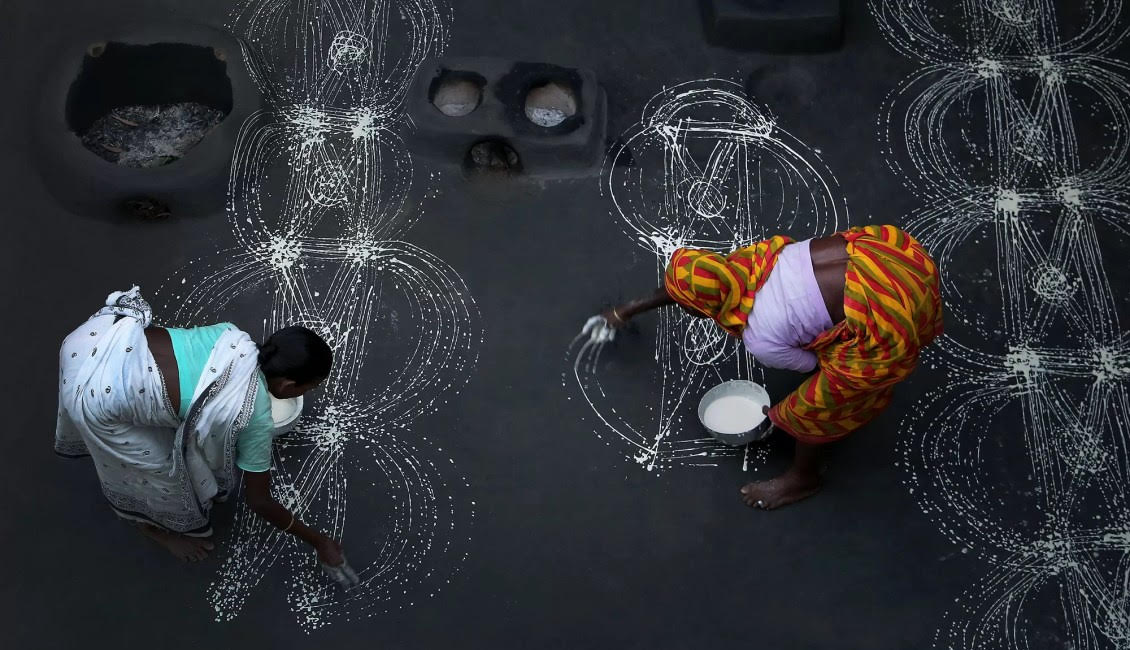
In the heart of Jharkhand lies a traditional art form that tells stories of nature, culture, and community — Sohrai Art. What once adorned the mud walls of rural homes has today evolved into a symbol of identity, empowerment, and revival.
At the center of this transformation is the inspiring journey of Dr. Jayshree Devi Indwar, a woman who turned passion into purpose.
Where It All Began (2002)
The journey began in 2002, when Dr. Indwar moved to Lohardaga after her marriage. Life took her through regions like Sisai and Gumla, where she was first introduced to the deep-rooted traditions of Sohrai painting. A visit to the historic Navratangarh Fort became a turning point. The ancient Sohrai paintings she saw there — rich in detail and history — left a lasting impression. What started as admiration soon transformed into a mission.
Learning from the Roots
With a natural inclination toward art since childhood, she decided to explore Sohrai deeply. Instead of formal institutions, she turned to the real custodians of this tradition — rural women. She connected with village artists who had been practicing this art for generations. Together, they began a journey of learning, preserving, and reimagining Sohrai art for the modern world.
Building a Movement (2007)
In 2007, she established the Stambh Trust with a vision to revive and promote Sohrai art.
What followed was years of relentless effort:
- Training nearly 500 women artists
- Introducing Sohrai designs on stoles, dupattas, sarees, and kurtis
- Creating livelihood opportunities for rural communities
Despite facing setbacks when institutional support slowed down, she continued organizing exhibitions and promoting the art independently.
A Defining Moment (2015)
The year 2015 marked a major breakthrough.
When Narendra Modi visited Hazaribagh Railway Station, he appreciated the Sohrai paintings there in his program Mann Ki Baat. This recognition brought national attention to the art form.
For Dr. Indwar and her team, it was the validation they had been working towards.
Transforming Public Spaces
Following this recognition, her work expanded across the state. Along with her team, she contributed to beautifying:
- Nearly 150 railway stations across Jharkhand
- Public spaces with vibrant Sohrai murals
Her efforts were acknowledged by Piyush Goyal, the then Minister of Railways.
Recognition and Legacy (2022)
Years of dedication culminated in a historic milestone — Sohrai Art received the GI Tag in 2022, giving it official recognition and protection.
Today:
- Over 100 tribal women artists are actively involved
- The art continues to evolve while staying rooted in tradition
Dr. Indwar actively conducts workshops in schools, colleges, and institutions, ensuring that the next generation connects with this rich heritage.
More Than Art — A Social Revolution
The journey of Sohrai art is no longer just about painting walls. It has become:
- A tool for women empowerment
- A source of sustainable livelihood
- A movement to preserve cultural identity
From rural homes to national recognition, the story of Sohrai art is a powerful reminder — when passion meets purpose, even the most traditional art forms can spark modern change.